Korčula – Long-Term Capital Protection in Times of Inflation
In periods of elevated inflation, the fundamental question for any serious investor is no longer how to rapidly increase capital value, but how to preserve its real value over time while maintaining the potential to generate stable and sustainable income. For this reason, attention is increasingly shifting toward real assets in locations with limited supply, strong identity, and long-term market relevance. In this context, Korčula has emerged over recent decades as a rare example of a place that simultaneously preserves its authenticity while increasingly participating in the international investment and lifestyle arena.
Real Estate as a Natural Hedge Against Inflation
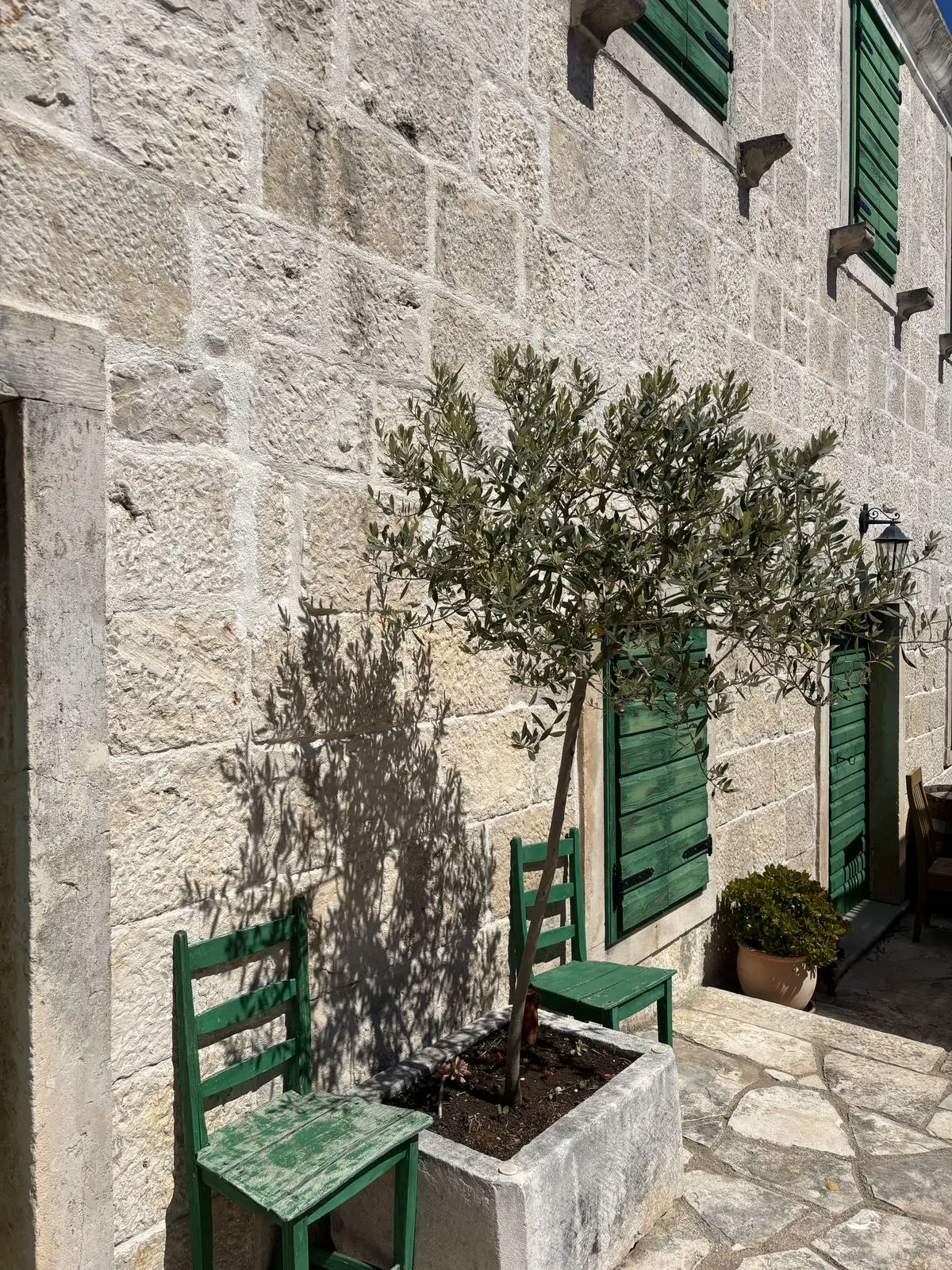
The value of real estate on Korčula stems from a combination of historical continuity, strict spatial planning regulations, and pronounced geographic limitations. The historic town center, traditional stone architecture, and protected urban fabric prevent rapid expansion of supply during periods of rising demand. This structural constraint creates a market that is naturally more resilient to inflationary pressures and better positioned to preserve the real value of assets over the long term.
At the same time, inflation increases construction, labor, and land costs. In markets with looser regulations, this often leads to mass development and dilution of value. On Korčula, however, rising costs and demand do not translate into increased supply; instead, they are reflected in the stabilization and long-term appreciation of existing properties. As a result, real estate becomes a natural hedge against inflation, as its value remains tied to real costs and spatial scarcity rather than the nominal value of money.
Geography and Infrastructure: Accessibility Without Mass Tourism
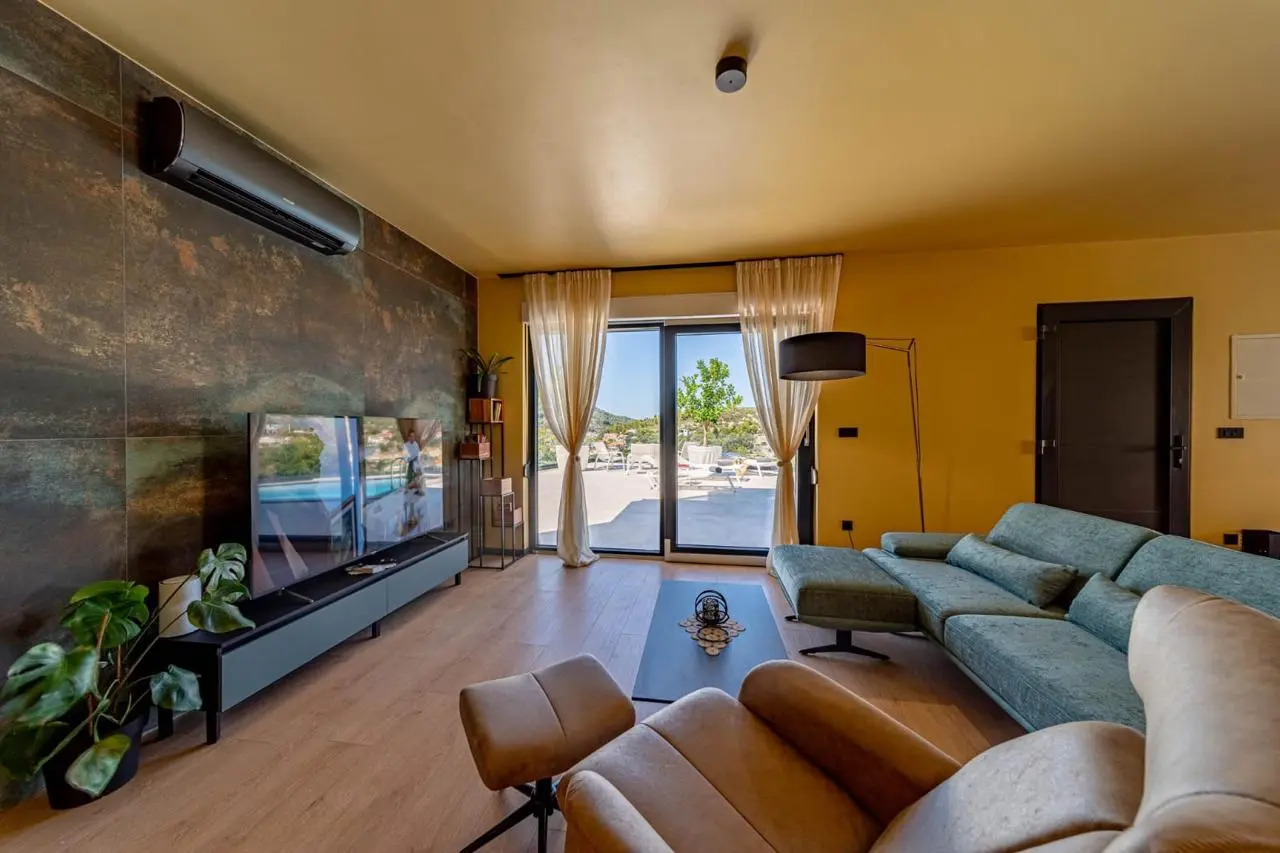
The geographic and infrastructural context further reinforces this investment logic. The island offers a rare balance between preserved nature, cultural identity, and modern functionality. Korčula has not become a mass destination, yet it has reached a level of infrastructural maturity that supports long-term growth. With the opening of the Pelješac Bridge, southern Dalmatia has been permanently connected to the rest of the country by road, making travel to Korčula simpler, more predictable, and less time-consuming. This removed one of the key psychological and logistical barriers that had previously limited broader investment interest.
This infrastructural progress has a direct impact on the investment potential of real estate. Accessibility and connectivity increase the functional value of property, which in turn strengthens long-term price stability and liquidity. A property that is easy to use, easy to rent, and easy to sell demonstrates significantly greater resilience during inflationary periods than one whose value is purely seasonal or symbolic.
Income That Moves with Inflation
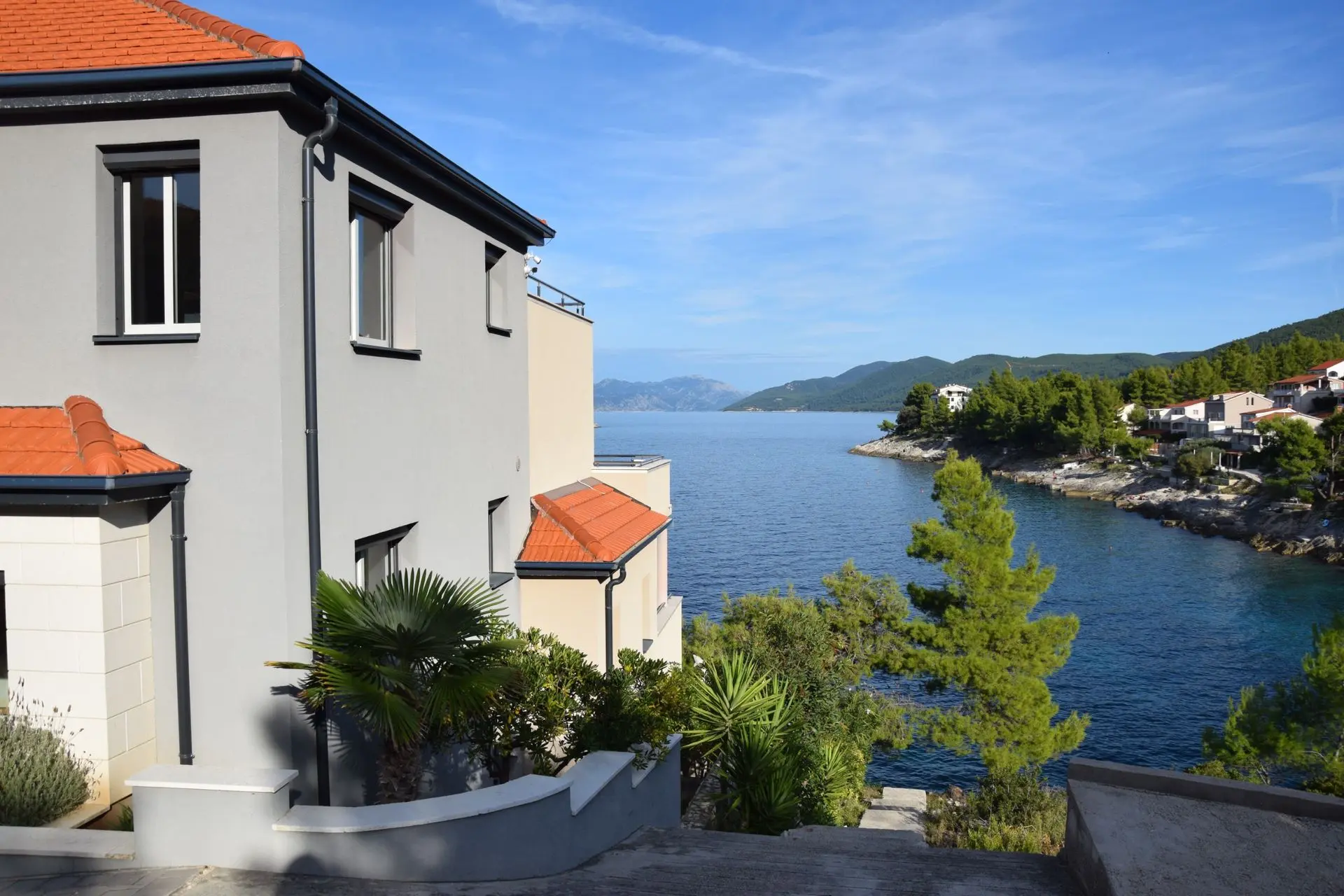
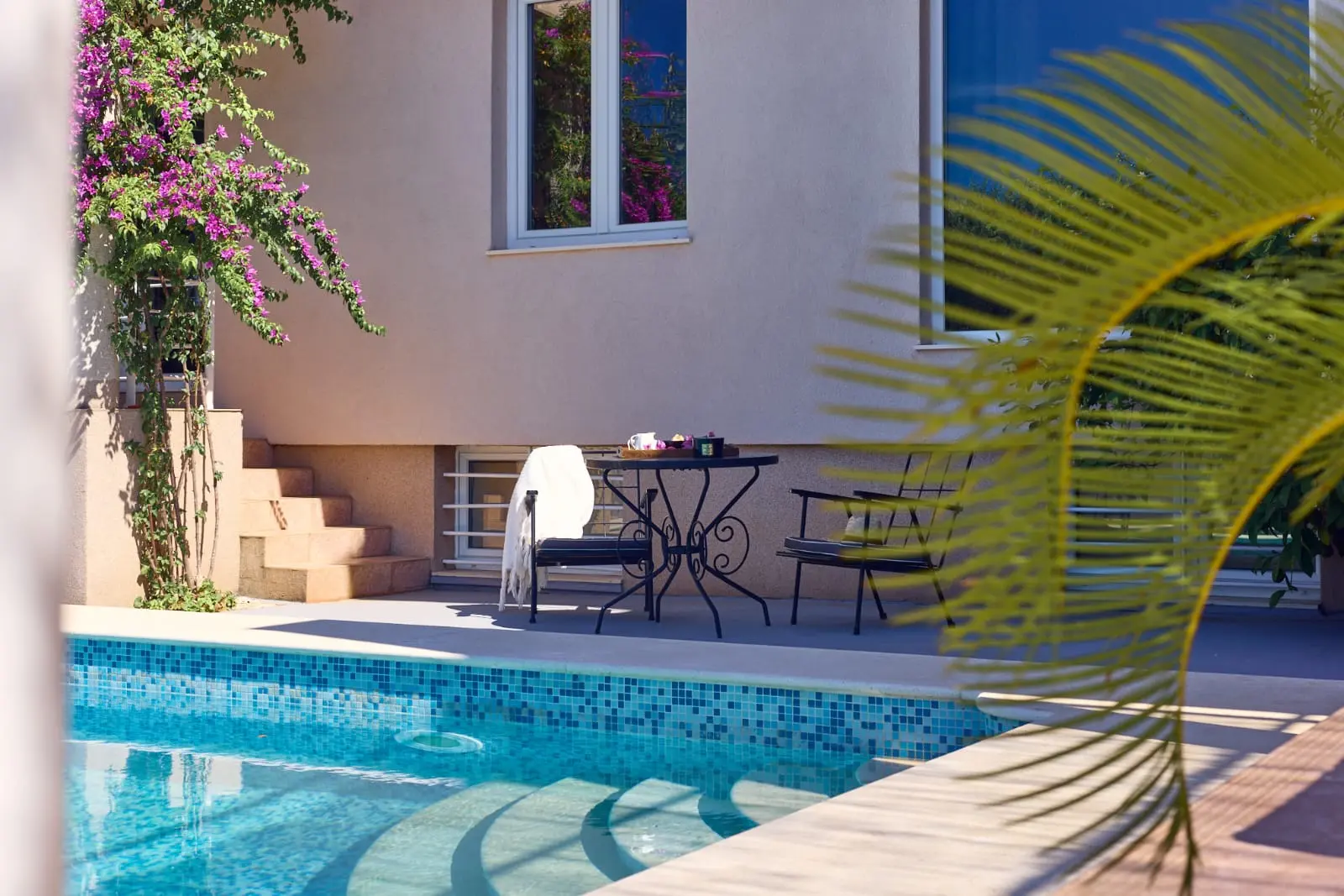
Beyond preserving value, real estate on Korčula also offers the opportunity for active income generation. The island’s tourism market has increasingly positioned itself toward higher-spending guests seeking authenticity, privacy, and quality rather than mass accommodation. Stone houses in the historic center, renovated seaside villas, and carefully positioned boutique properties achieve strong demand during peak season and increasingly beyond it.
Rental income, which gradually adjusts in line with rising living costs, allows property not only to preserve capital but also to actively offset the effects of inflation. In this way, real estate on Korčula functions both as a store of value and as a dynamic asset capable of generating returns in real terms.
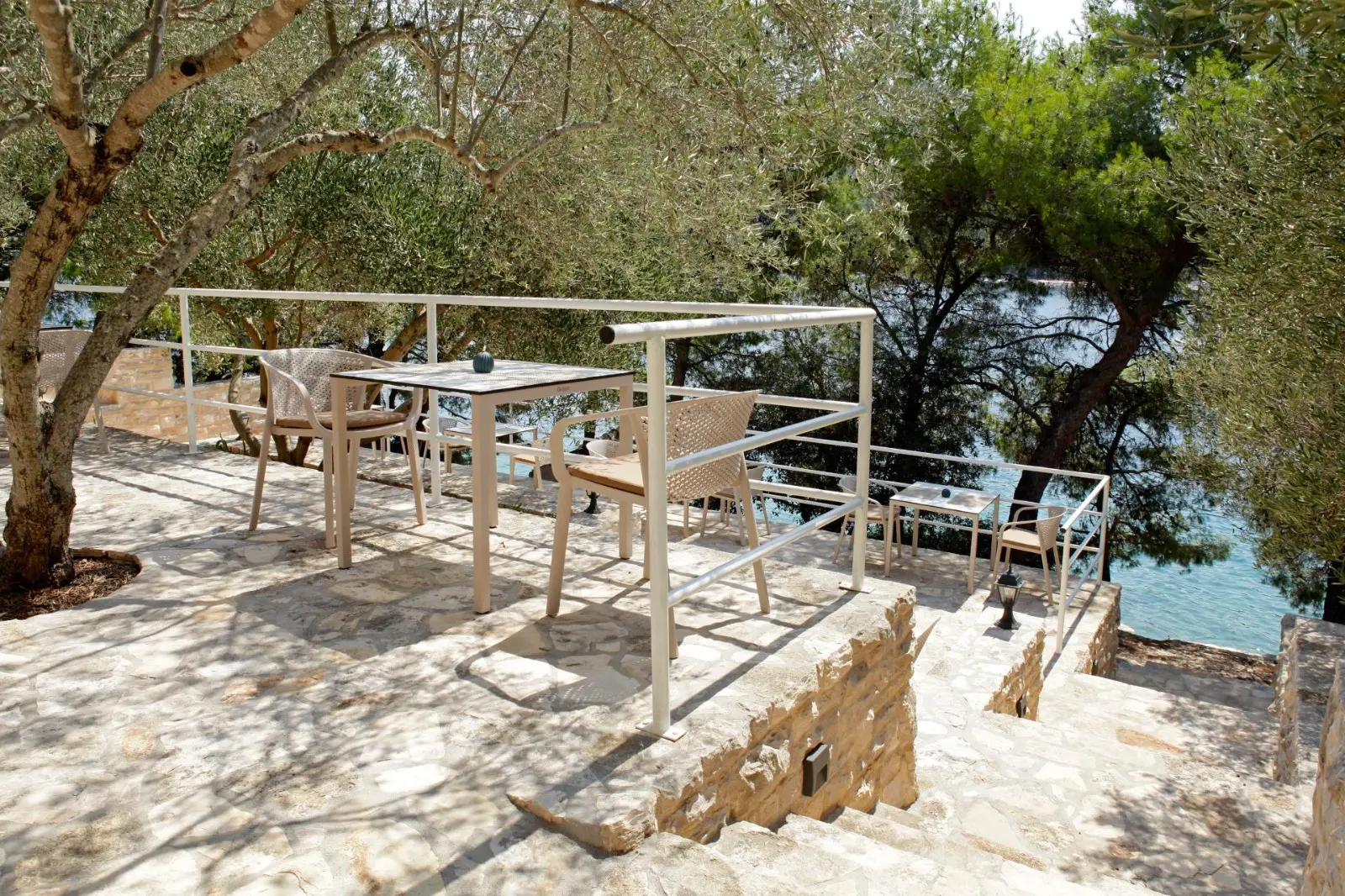
Winemaking and Viticulture: Global Relevance
The development of winemaking and viticulture has played a significant role in positioning Korčula on the global stage. The island holds one of the oldest winemaking traditions in the Adriatic, and over the past decade it has undergone a strong qualitative transformation. Vineyard restoration, a focus on indigenous grape varieties, and a contemporary approach to wine production have led to international recognition of Korčula’s wines. As a result, the island has become part of the global enogastronomic scene, extending the tourist season, increasing spending levels, and further stabilizing the local economy.
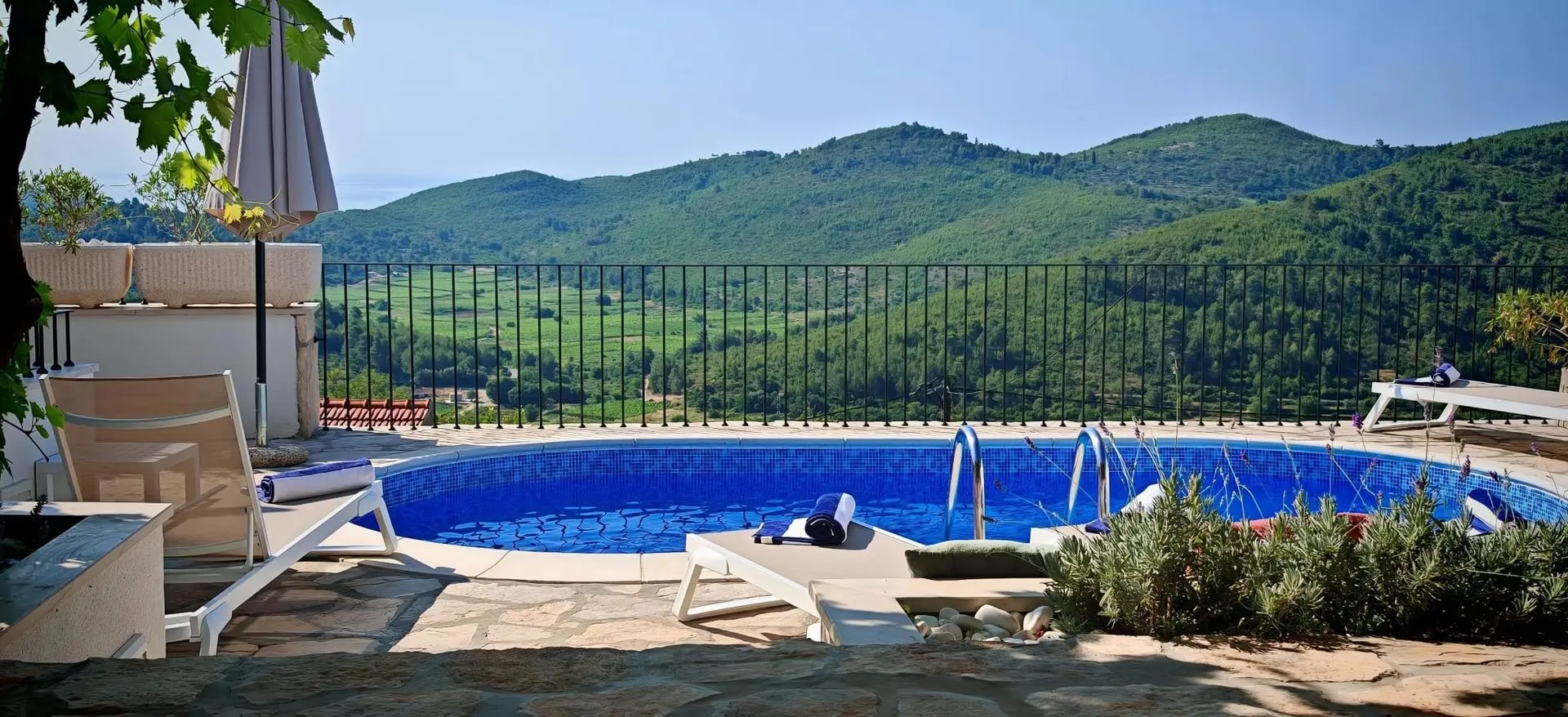
For real estate investors, this translates into a broader and more sophisticated value ecosystem. Properties located in vineyard areas, near wineries, or within authentic rural settings gain additional appeal for both private use and rental. Such a context generates demand that is more resilient to seasonality and economic fluctuations—an essential characteristic of assets in times of inflation.
Conclusion: Clarity of Choice as Capital Protection
Investing in real estate on Korčula today is not merely an investment in property, but in a cultural, economic, and lifestyle context that continuously generates value. It is not simply the purchase of square meters, but the deliberate positioning of capital within a rare and long-term relevant framework. The island’s value does not stem from trends, but from a lasting combination of space, identity, and functionality—offering assets that preserve real value, generate income, and remain internationally desirable.
At Elise Services, we believe that investments of this kind—those that unite spatial scarcity, real income potential, and global relevance—represent the strongest form of capital protection in times of inflation. In this sense, Korčula is not a passing opportunity, but a stable and long-term investment position in southern Croatia—a place where capital does not chase rapid growth, but seeks security that endures.